Understanding Kitchen Remodeling Basics
What is Kitchen Remodeling?
Kitchen remodeling involves the reconstruction, renovation, or redesign of a kitchen space to enhance its functionality and aesthetics. It encompasses a wide range of updates, from simple cosmetic improvements like new paint and fixtures to extensive renovations that involve structural alterations and modern technology integration. The intention is to create a space that not only meets the practical needs of cooking and entertaining but also reflects the homeowner's personal style and preferences.
Why Invest in Kitchen Remodeling?
Investing in kitchen remodeling can yield significant benefits beyond mere aesthetics. A well-executed remodel boosts your home’s value, often recovering 70% to 80% of the investment upon resale. Additionally, it enhances your cooking and entertaining experience by providing a more functional layout, improved workflow, and modern appliances. Beyond financial considerations, a beautifully remodeled kitchen increases the enjoyment of your home, making it a focal point for family gatherings and social interactions.
Key Elements of a Kitchen Remodel
Several critical components must be considered during a kitchen remodel, each contributing to the overall effectiveness and appeal of the space. These include:
- Cabinetry: The choice of cabinets can drastically affect both the functionality and look of your kitchen.
- Countertops: Materials like granite, quartz, or laminate should be chosen based on durability, aesthetics, and maintenance.
- Lighting: A well-lit kitchen improves cooking visibility and sets the mood for gatherings.
- Flooring: The flooring option should be durable, easy to clean, and styled to harmonize with your kitchen design.
- Appliances: Energy-efficient, modern appliances can simplify cooking and reduce energy costs.
Planning Your Kitchen Remodeling Project
Setting a Budget for Kitchen Remodeling
Establishing a budget is a crucial first step in any kitchen remodeling project. Consider the scope of the remodel, materials, labor costs, and unexpected expenses that may arise. On average, homeowners spend between $12,000 to $35,000, but the ultimate budget will depend on the quality of materials, design complexity, and region. Allocating an additional 10% for contingencies is wise, ensuring financial flexibility throughout the project.
Choosing the Right Style and Layout
Your kitchen's style and layout significantly impact its functionality and visual appeal. Popular styles include contemporary, farmhouse, traditional, and industrial, each with unique characteristics. When selecting a layout, consider options such as U-shaped, L-shaped, or open-concept designs. The chosen layout should improve workflow and accommodate your cooking habits, ensuring the sink, stove, and refrigerator are appropriately arranged for efficiency.
Hiring Professionals vs. DIY Kitchen Remodeling
Deciding between hiring professionals and undertaking a DIY kitchen remodeling project is pivotal. While DIY can save costs, it often requires a considerable time investment and renovation expertise. A professional contractor can manage complex tasks, navigate local codes for permit requirements, and achieve high-quality results more efficiently. Consider your skills, time constraints, and project complexity when making this decision.
Popular Kitchen Remodeling Designs
Contemporary Kitchen Remodeling Trends
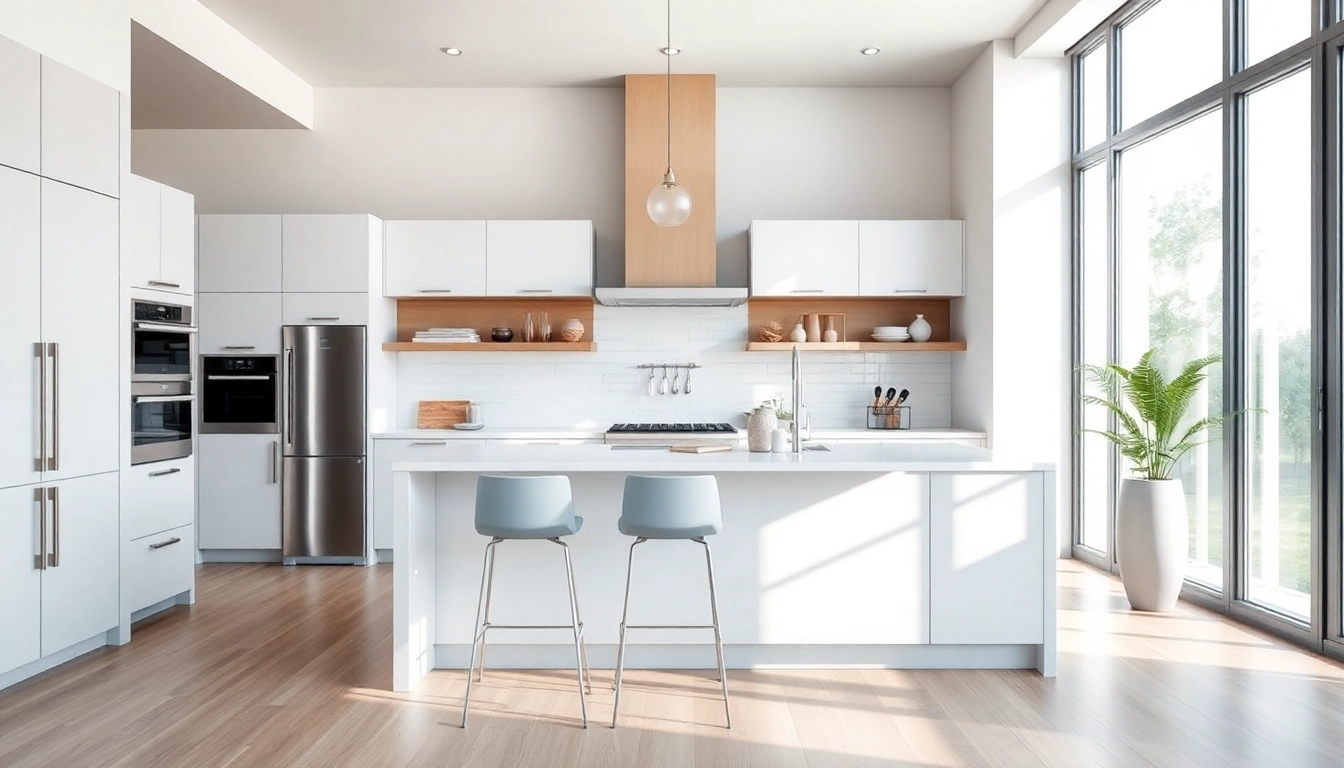
Contemporary design emphasizes clean lines, open spaces, and minimalism. Key features include sleek cabinetry, stainless steel finishes, and smart appliances that integrate seamlessly with an open floor plan. Neutral color palettes punctuated with bold accent pieces can create a modern aesthetic. Innovative storage solutions and eco-friendly materials, such as bamboo and recycled glass, are popular among homeowners aiming for sustainability alongside style.
Classic Designs for Timeless Appeal
Classic kitchen designs prioritize functionality and formal elegance, often characterized by detailed cabinetry, crown molding, and traditional materials such as wood and granite. Color schemes typically feature whites, creams, and natural wood tones, providing warmth. Farmhouse sinks, vintage appliances, and intricate tile backsplashes bring a sense of history and comfort to modern homes while ensuring that the kitchen remains a welcoming gathering point.
Maximizing Space in Your Kitchen Remodel
Space optimization is vital, particularly in smaller kitchens where every square foot counts. Strategies for maximizing space include creating multi-functional islands, using vertical storage options, and strategically utilizing corner spaces with lazy Susans or pull-out shelves. Consider open shelving to visually expand the room and enhance accessibility. A well-planned kitchen remodel can transform cramped quarters into a functional, enjoyable environment.
Best Practices for a Successful Kitchen Remodeling
Staying Organized During Your Remodel
Staying organized throughout the remodeling process contributes significantly to its success. Create a detailed timeline that establishes clear milestones and deadlines for each stage of the project. Use project management tools or apps to track progress, material orders, and appointments. A dedicated folder or digital file for receipts, contracts, and plans can simplify record-keeping and facilitate communication with contractors.
Communicating Clearly with Contractors
Effective communication with contractors is essential for achieving your remodeling vision. Set up regular check-ins to discuss progress, address concerns, and ensure all parties are aligned. Clearly articulate your expectations regarding timelines, budgets, and design elements. Document everything in writing to have a reference point and prevent misunderstandings. Remember to be open to suggestions, as professionals often bring valuable insights based on their experience.
Integrating Technology in Kitchen Remodeling
Integrating technology can significantly enhance the functionality of your remodeled kitchen. Smart home devices such as voice-activated assistants, programmable appliances, and smart thermostats improve convenience and efficiency. Consider installing LED lighting that can be controlled remotely, as well as moisture- and temperature-sensing devices that help maintain optimal conditions in the cooking space. Evaluating and embracing technology options can future-proof your kitchen against evolving trends.
Post-Remodel: Maintenance and Upkeep
Essential Aftercare for Your New Kitchen
Post-remodel care is vital to maintain your kitchen’s new look and functionality. Regularly clean surfaces with appropriate materials to avoid damaging finishes, and schedule professional check-ups on appliances to ensure their longevity. Establish a routine for checking and replacing filters in ventilation systems and consider periodic deep cleans to maintain a fresh, vibrant atmosphere.
Common Mistakes to Avoid After Kitchen Remodeling
Newly remodeled kitchens come with an excitement that can lead to oversight. Avoid the common mistake of neglecting maintenance schedules for appliances, which can shorten their lifespan. Also, resist the urge to overcrowd your kitchen with decor; simplicity often enhances aesthetics. Lastly, ensure that you respect the workflows you established during planning; modifications away from these can affect efficiency and enjoyment.
Collecting Feedback and Making Adjustments
Once the remodeling is complete, gathering feedback from users—whether family members or guests—can highlight areas for improvement. Regularly assessing how the space works in practice allows you to make necessary adjustments, such as adding or rearranging furniture, changing lighting configurations, or integrating additional storage. Remaining open to change enhances the functionality and satisfaction with your new kitchen design.
FAQs
What is the average cost of kitchen remodeling?
Kitchen remodeling costs can vary widely, averaging between $12,000 to $35,000 depending on the scope of work and materials.
How long does a kitchen remodeling project take?
Typically, a kitchen remodeling project can take anywhere from a few weeks to several months, depending on its complexity.
Do I need permits for kitchen remodeling?
Yes, certain aspects of kitchen remodeling may require permits to ensure compliance with local building codes.
What are the most popular kitchen layouts?
Popular kitchen layouts include U-shaped, L-shaped, galley, and open concept, each maximizing functionality and flow.
How can I make my kitchen remodel eco-friendly?
Incorporate energy-efficient appliances, sustainable materials, and recycling options for an eco-friendly kitchen remodeling approach.
Whether you're starting from scratch or seeking inspiration for a small update, a thoughtful approach to kitchen remodeling can transform your space into a functional and stylish area for you and your family.