
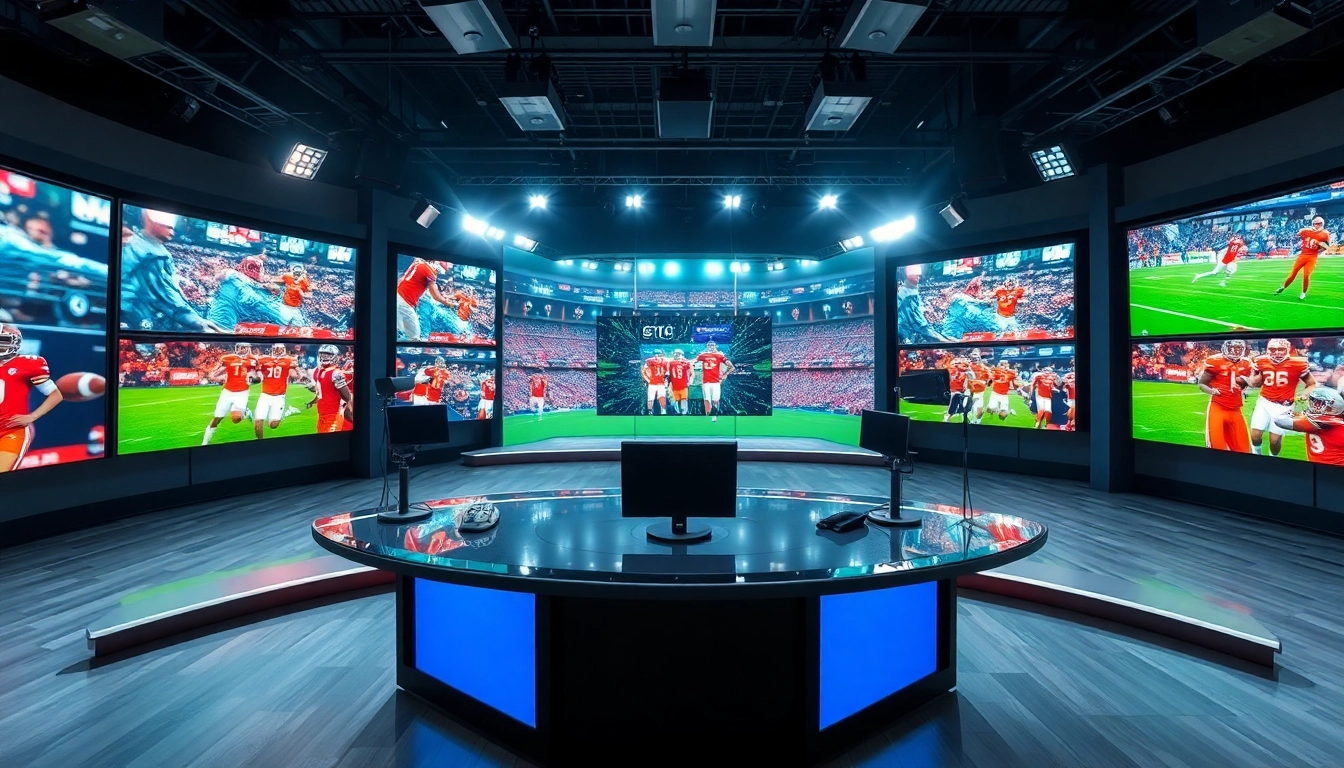
Understanding Sports Broadcasting Fundamentals
Sports Broadcasting has become a cornerstone in the integration of live sports and media, evolving dramatically in recent years. Not only does it provide fans with real-time access to their favorite sporting events, but it also shapes how sports are consumed globally. By utilizing advanced technologies and various platforms, sports broadcasting offers a rich tapestry of experiences that enhance fan engagement. The field is continuously evolving, fueled by advancements in technology and shifts in viewer behavior. Understanding the fundamentals of Sports Broadcasting is crucial for professionals looking to make their mark in this dynamic industry.
The Role of Sports Broadcasting in Modern Media
Sports broadcasting serves as a bridge connecting fans to the sporting world, effectively channeling emotions, stories, and excitement that sports generate. Its role extends beyond mere transmission of live events; it is integral to the overall sports marketing strategy. Sports broadcasting enhances the visibility of leagues, teams, and athletes while offering advertisers a powerful medium to reach engaged audiences. Additionally, it allows for storytelling that deepens fan relationships, making them feel more connected to the sports they love.
Key Technologies in Sports Broadcasting
The landscape of sports broadcasting is primarily shaped by technology, with innovations that enhance viewing experiences. Key technologies include:
- HD and 4K Broadcasting: Enhances visual clarity and detail during live events, creating an immersive experience.
- Virtual Reality (VR) and Augmented Reality (AR): These technologies provide fans with unique, interactive viewing options that bring them closer to the action.
- Cloud-Based Services: Facilitate flexibility in broadcasting by allowing content to be stored and accessed from anywhere, making remote production easier.
- Advanced Analytics: Leverages data to provide deeper insights into gameplay, player performance, and fan engagement.
Types of Sports Broadcasting Platforms
Sports broadcasting occurs across various platforms, each tailored to different audience preferences:
- Television: Traditional cable and satellite networks still dominate live sports broadcasting, offering dedicated sports channels.
- Streaming Services: Digital platforms like Netflix and Amazon Prime are increasingly engaging audiences, providing on-demand access to sports content.
- Social Media: Platforms like Twitter and Facebook tap into the power of user-generated content, engaging fans in real-time conversations around events.
- Radio: Although less visual, radio broadcasting remains vital for delivering live updates and commentary, particularly for local sports.
Essential Skills for Sports Broadcasting Professionals
To excel in sports broadcasting, professionals must develop a robust skill set tailored to the demands of the industry. These essential skills enhance the quality and appeal of broadcasts, ultimately engaging audiences effectively.
Communication Skills for Effective Broadcasting
Clear and engaging communication is paramount in sports broadcasting. Effective broadcasters must articulate their thoughts concisely and accurately, adapt their speaking styles to diverse audiences, and exude charisma. This includes the ability to narrate events in real-time, providing insightful commentary that adds value to the viewing experience. Building rapport with co-hosts and establishing a connection with the audience can significantly enhance broadcasts, creating a more engaging and inclusive atmosphere.
Technical Skills in Equipment and Software
Understanding the technical aspects of broadcasting equipment and software is essential. Broadcasters should be familiar with cameras, sound equipment, and editing software, ensuring they can manage and troubleshoot effectively. Proficiency in using live broadcasting technologies and editing tools allows professionals to deliver high-quality content while responding to situations as they evolve live on air.
Research and Analysis in Sports Broadcasting
Research is foundational in sports broadcasting. Broadcasters must be well-versed in the sports they cover, understanding player statistics, historical data, and current developments surrounding teams and leagues. Analyzing this information allows professionals to craft narratives that resonate with viewers, enriching the storytelling element that is central to sports broadcasting.
Content Creation Strategies for Sports Broadcasting
Creating compelling content is vital in capturing and retaining the audience's attention. A strategic approach to content creation ensures that broadcasts are not only informative but also entertaining.
Engaging Narratives and Storytelling
Sports are inherently dramatic and filled with stories that draw fans in. Successful broadcasters excel in weaving these narratives, presenting compelling arcs that resonate on personal levels. This may include profiling athletes, exploring rivalries, or highlighting underdog stories. Integrating these narratives into broadcasts can enhance emotional engagement, making the content more relatable and impactful.
Incorporating Audience Interaction
Engagement does not end with broadcasting; incorporating audience interaction is critical. This can be achieved through polls during games, live chats, and social media engagement. By facilitating direct interaction, broadcasters can create a community around their content, transforming passive viewers into active participants. Engaging audiences in discussions also provides instant feedback, helping broadcasters refine their content.
Utilizing Social Media for Promotion
Social media is an invaluable tool for promoting broadcasts and engaging with audiences. By sharing highlights, behind-the-scenes content, and engaging with fans through comments and messages, broadcasters can enhance visibility and foster loyal communities. Strategically employing hashtags, conducting live Q&A sessions, and collaborating with social media influencers can expand reach and drive viewership.
Measuring Success in Sports Broadcasting
Understanding what drives success in sports broadcasting requires clear metrics and KPIs. Evaluating performance helps broadcasters refine their strategies and enhance audience engagement.
Defining Key Performance Indicators (KPIs)
Key Performance Indicators provide quantifiable metrics that measure the effectiveness of broadcasting efforts. Common KPIs include viewer ratings, audience reach, and social media engagement levels. Defining these metrics allows broadcast teams to set clear targets and assess their performance accurately, offering insights into areas for improvement.
Analyzing Viewer Ratings and Feedback
Regularly analyzing viewer ratings and audience feedback is essential for identifying trends and determining content relevance. Utilizing tools that track viewer data can help broadcasters understand which segments resonate most with audiences. This feedback can guide future content planning, helping broadcasters to align programming with audience preferences.
Adapting Strategies Based on Metrics
The final step in measuring success is adapting strategies based on collected metrics. Broadcasters must remain flexible and responsive to viewer feedback, allowing them to pivot their content approaches as needed. This adaptability fosters continuous improvement, ensuring broadcasts remain compelling and relevant to audiences.
Future Trends in Sports Broadcasting
As technology and audience preferences evolve, so too does the field of sports broadcasting. Anticipating future trends is crucial for professionals aiming to stay ahead in this competitive landscape.
Impact of Technology on Sports Broadcasting
Emerging technologies will continue to transform sports broadcasting. Innovations such as artificial intelligence and machine learning can personalize viewing experiences by curating content based on viewer preferences. Moreover, advancements in streaming quality and accessibility, coupled with the integration of 5G technology, will enhance how fans experience live sports around the world.
The Rise of Esports Broadcasting
Esports is rapidly gaining traction as a mainstream form of entertainment, attracting diverse audiences across various demographics. The broadcasting of esports events is no longer a niche market; it is becoming a formidable segment of the sports industry. Traditional broadcasters are integrating esports into their offerings, creating hybrid programming that appeals to both traditional sports and gaming audiences.
What to Expect in the Next Decade
In the coming decade, we can expect further fusion between traditional sports and digital media. Broadcasters will likely focus more on personalized experiences, involving fan-centric content and interactive platforms that harness real-time data. Innovations will enhance audience engagement and democratize content creation, allowing fans to become creators and share their experiences.
Frequently Asked Questions
What is sports broadcasting?
Sports broadcasting refers to the distribution of live sports events through various media channels such as television, radio, and online platforms, aiming to reach and engage audiences.
What are the types of sports broadcasting?
Typical types of sports broadcasting include television broadcasts, streaming services, radio broadcasts, and live coverage on social media platforms.
What skills are essential for sports broadcasters?
Essential skills for sports broadcasters include effective communication, technical proficiency with broadcasting equipment, and strong research and analytical abilities.
How can social media impact sports broadcasting?
Social media enhances audience engagement, allowing real-time interaction, content promotion, and community building around sports events and broadcasts.
What are the future trends in sports broadcasting?
Future trends include the impact of emerging technologies, the rise of esports broadcasting, and a continued emphasis on audience personalization and interactive experiences.