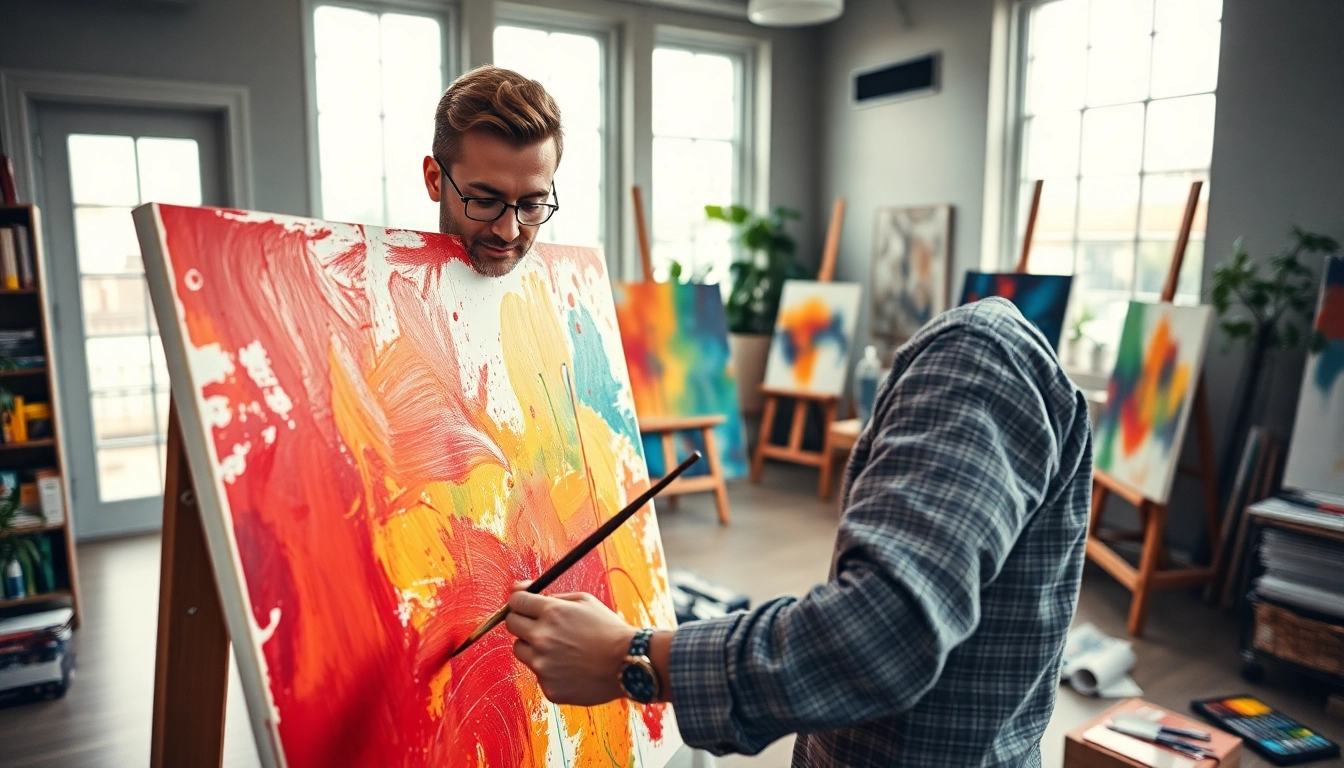
Whether you are a novice hoping to express your creativity or a seasoned artist looking to refine your skills, the world of painting offers endless possibilities. Understanding the various facets of painting can significantly enhance your artistic journey. This comprehensive guide will delve into a wide array of topics related to painting, covering its history, techniques, tools, and the intricate details that go into making your artwork truly stand out. For those ready to embark on this colorful journey, the process of painting waits with open arms.
Understanding the Basics of Painting
The History of Painting
The art of painting has evolved substantially over thousands of years, tracing its origins to prehistoric times where early humans used natural pigments to depict their environment on cave walls. The invention of canvas during the Renaissance led to revolutionary changes in technique and style, allowing artists like Leonardo da Vinci and Michelangelo to explore depth, perspective, and expression. Each period, from Baroque to modern art, has added layers of complexity and depth to what we understand as painting today, influencing generations of artists with diverse styles and techniques.
Different Painting Mediums Explained
Understanding painting mediums is essential for artists looking to express their vision accurately. The most common mediums include:
- Oil Paint: Known for its richness and blending capabilities, oil paint allows for vibrant colors and layering techniques.
- Acrylic Paint: Fast-drying and versatile, acrylics are water-soluble and can mimic the effects of both oil and watercolor paints.
- Watercolor: Utilizing water as a solvent, watercolors produce delicate and translucent effects, making them ideal for landscapes and softer images.
- Gouache: Similar to watercolors, gouache is opaque, helping to create vibrant and solid color applications.
- Pastels: Offering a unique texture and opacity, pastels are perfect for creating soft, blended artworks.
Essential Tools for Every Painter
Every painter should have specific tools to realize their artistic vision. Essential tools include:
- Paintbrushes: These come in various shapes, sizes, and bristle types, each serving different techniques.
- Palette: A flat surface to mix paints, essential for preparing your color combinations.
- Canvas/Paper: The surface where your painting will come to life; choosing the right type is crucial.
- Easel: This holds your canvas at a comfortable working height and angle.
- Palette knife: Perfect for mixing or applying paint in a textured method.
Fundamental Techniques in Painting
Brush Techniques for Beginners
As a beginner, mastering various brush techniques can dramatically improve your painting skills. Key techniques include:
- Stippling: Using the tip of the brush to create small dots, ideal for blending colors.
- Dry brushing: Lightly dragging a dry brush across the canvas for a textured effect.
- Washing: Applying a thin, translucent layer of color for softer backgrounds and gradients.
- Scumbling: A technique involving a dry brush to create a broken color effect, enhancing texture.
Color Mixing and Application
Color mixing is fundamental to achieving the hues you desire. A basic color wheel will help you understand primary colors (red, yellow, blue) and how mixing them creates secondary colors (green, orange, purple). Practicing mixing complementary colors can create shadows and tones, allowing for more depth in your work.
Layering and Texture Creation
Layering involves building up different colors and textures to create depth in your artwork. Techniques like glazing in oils, where you apply thin layers of transparent paint over dried underlayers, can produce luminosity. Experimenting with texture can also be achieved through various applications like palette knives, sponges, or even incorporating mixed media elements.
Advancing Your Painting Skills
Exploring Advanced Painting Techniques
As you progress, consider exploring advanced techniques such as:
- Impasto: Applying thick layers of paint to add a three-dimensional quality to your artwork.
- Chiaroscuro: Using strong contrasts between light and dark to create volume.
- Glazing: Building color depth through repeated applications of transparent layers.
Understanding Composition and Perspective
Composition is the arrangement of visual elements in your artwork. Learning the rule of thirds, leading lines, and balance can help create a visually appealing piece. Additionally, understanding linear and atmospheric perspective can lead to more realistic representations of space and depth, which is crucial for landscapes and still life compositions.
The Role of Light in Your Painting
Light plays a crucial role in how colors appear on your canvas. Observing how light interacts with surfaces can guide how you apply paint. Pay attention to highlights, shadows, and reflected light when painting. You can practice defining the light source in your compositions to enhance realism and depth.
Inspiration and Creativity in Painting
Finding Your Artistic Voice
Your artistic voice is the unique expression of your experiences and emotions through art. Experiment with different styles and techniques, and allow your creativity to flow without constraints. This journey often involves a continuous evolution, so embrace the learning process and allow time for self-discovery.
Exploring Different Styles and Genres
Exploration is key to finding your niche. Study different styles from impressionism to abstract, and emulate various artists to understand their techniques. Try participating in different art challenges or collaborating with fellow artists to broaden your perspective and gain inspiration.
How to Overcome Creative Blocks
Creative blocks can hinder your progress, but several strategies can help you overcome them. Taking breaks, exploring nature, or revisiting your past works can spark inspiration. Creating a routine and setting small goals can also pave the way for new creative thoughts and ideas.
Completing and Showcasing Your Painting
Finishing Touches for Your Masterpiece
As you near completion, consider the final details that can elevate your painting. Small highlights, contrasting shadows, or additional textures can significantly enhance the overall composition. Stepping back frequently can offer fresh perspectives, allowing you to identify areas needing refinement.
Preparing Your Painting for Display
Once satisfied with your finished piece, it's time to prepare it for showcase. Ensure your painting is either framed or stretched onto a canvas. Consider varnishing your artwork with a protective finish to enhance its longevity and color vibrancy. Always display your work in environments with good lighting to honor your artistic effort.
Marketing Your Artwork Effectively
Developing a marketing strategy for your artwork is essential in today’s digital age. Utilize social media platforms to showcase your work, create a personal website, and participate in local art fairs or exhibitions. Networking with fellow artists and collectors can open doors and create opportunities to share your art with a broader audience.
Frequently Asked Questions
1. What is the best paint for beginners?
Acrylic paint is often recommended for beginners due to its fast-drying properties, ease of use, and versatility in techniques.
2. How do I prevent my paint from drying too fast?
To slow down drying, use a slow-drying medium, mist your palette with water, or work in a cooler environment.
3. Can I paint on any surface?
While many materials work for painting (canvas, paper, wood), ensure you use a surface compatible with your chosen medium.
4. What should I do if I make a mistake while painting?
Embrace mistakes as part of your process. You can often incorporate them creatively, or allow them to inspire new directions in your artwork.
5. How can I find inspiration for my paintings?
Explore nature, visit museums, browse online art communities, or try painting from photographs to spark creativity and inspiration.