
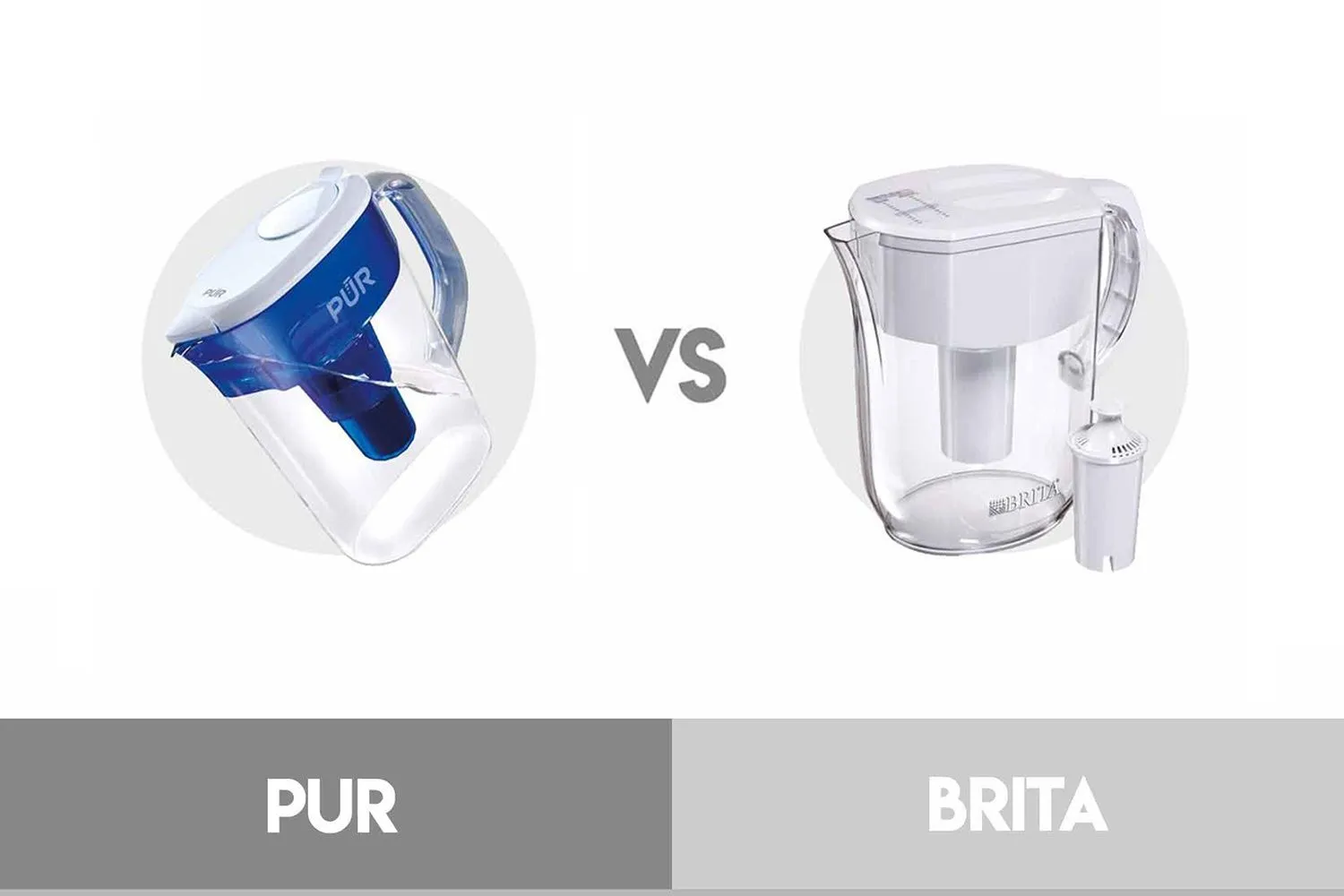
When it comes to drinking water at home, everyone wants water that tastes clean, smells fresh, and is safe from harmful contaminants. Many people rely on water filter pitchers as an affordable and convenient solution. Among the most popular brands, the debate between brita vs pur water filter is one that continues to divide opinions. Over the past year, I’ve personally used both systems and explored their strengths and weaknesses. This article provides an in-depth comparison to help you decide which one is the better choice for your household.
Brita vs Pur Water Filter: Overview
Both Brita and Pur are leaders in the home water filtration market. They offer pitcher-style filters, faucet-mounted options, and replacement cartridges. While they serve the same basic purpose—removing impurities and improving taste—they achieve it differently. Understanding these differences is crucial before making a purchase.
Brita Water Filter
Brita is widely known for its affordable and user-friendly filtration systems. The brand emphasizes convenience, with pitcher models that are easy to fill and use. Brita filters generally remove chlorine, copper, mercury, and cadmium from tap water. They also improve taste and odor, which is often the primary concern for most households.
Pur Water Filter
Pur focuses on advanced filtration, especially targeting lead and other heavy metals. Pur filters often include activated carbon and ion exchange technology, which can reduce more contaminants than Brita. Pur pitchers and faucet systems are slightly more expensive, but they promise a higher level of filtration, particularly in areas with older pipes or contaminated water sources.
Taste Comparison: Brita vs Pur Water Filter
Taste is one of the most noticeable differences between these two brands. Many users report that Pur water tastes slightly cleaner due to its higher lead reduction capabilities. Brita, on the other hand, is praised for its ability to reduce chlorine taste and odor, making tap water more pleasant without altering its natural flavor too much.
Real-life example: I conducted a simple taste test at home with friends. We poured tap water into both Brita and Pur pitchers. While both improved the taste significantly, the Pur-filtered water had a smoother finish, especially noticeable when drinking straight from the glass. Brita had a slightly softer effect, which some people prefer for cooking or making tea.
Factors Affecting Taste
- Source of Tap Water: If your water has a strong chlorine smell, Brita may be sufficient.
- Heavy Metal Concerns: If your household pipes are old or your water source has lead contamination, Pur can provide noticeable improvements.
- Personal Preference: Some people prefer the neutral taste from Brita, while others like the thorough filtration of Pur.
Cost Comparison: Brita vs Pur Water Filter
Cost is another key factor for many consumers. Both brands offer various models, but there are some general trends.
Initial Purchase Price
- Brita Pitchers: Typically range from $25 to $40.
- Pur Pitchers: Range from $30 to $50.
While the difference may seem small, the price gap widens when considering long-term maintenance and replacement filters.
Replacement Filter Cost
- Brita Filters: Usually $5–$8 per filter, lasting about 2 months for standard household use.
- Pur Filters: Around $8–$12 per filter, also lasting 2–3 months depending on usage.
When factoring in filter longevity and household consumption, Pur tends to be slightly more expensive over time. However, this cost can be justified if your priority is advanced contaminant reduction.
Real-life Example of Cost
For a family of four who drinks about eight glasses of water per person daily, Brita filters need replacement approximately six times per year, costing roughly $36–$48. Pur filters for the same family would cost about $48–$72 annually, but they offer higher protection against contaminants.
Safety Comparison: Brita vs Pur Water Filter
Safety is the most critical aspect of any water filtration system. Both brands meet U.S. Environmental Protection Agency (EPA) standards, but they focus on different contaminants.
Contaminant Reduction
- Brita: Effective at reducing chlorine, copper, mercury, and cadmium. Some models also reduce zinc and benzene.
- Pur: Effective at reducing chlorine, mercury, and most importantly, lead. Certain Pur models can also filter microplastics and pharmaceuticals.
Certification
Both Brita and Pur are certified by NSF International, but Pur has more NSF certifications for lead reduction, making it a preferred choice in areas with known heavy metal concerns.
Practical Safety Considerations
Even if your tap water is relatively clean, filters like Pur offer an extra safety margin. This is particularly valuable for households with children or elderly family members, as lead exposure can have severe health effects over time.
Maintenance and Ease of Use
Both Brita and Pur pitchers are designed for easy maintenance. Filters need to be replaced regularly, and both brands offer indicator systems to remind users. Brita pitchers are generally lighter and easier to handle, while some Pur models are larger due to more complex filtration components.
Filter Replacement Tips
- Change filters every 2–3 months or as recommended by the manufacturer.
- Rinse new filters thoroughly before first use.
- Keep pitchers clean by washing the reservoir weekly with mild soap.
Environmental Considerations
Both brands have made efforts to reduce plastic waste by offering recyclable filters. Brita has a filter recycling program in partnership with TerraCycle, while Pur encourages local recycling and sustainable packaging.
Pros and Cons: Brita vs Pur Water Filter
Brita Pros
- Affordable initial cost
- Easy to use and refill
- Reduces chlorine taste and odor
- Lightweight and portable
Brita Cons
- Less effective against heavy metals like lead
- Slightly shorter filter lifespan
Pur Pros
- Superior heavy metal filtration
- Smooth taste, especially for lead-contaminated water
- NSF-certified for more contaminants
- Suitable for areas with older plumbing
Pur Cons
- Higher price
- Bulkier design
- Filters slightly more expensive
Brita vs Pur Water Filter Performance
Filtration Efficiency
The brita vs pur water filter debate often starts with filtration performance. Both brands are effective at removing chlorine, improving taste, and reducing odor. Brita focuses more on everyday taste and minor contaminants, while Pur provides advanced filtration that includes heavy metals like lead. Users who value maximum contaminant removal often lean toward Pur, especially in areas with older plumbing. Choosing the right filter depends on your water source and household needs.
Filter Longevity
Filter lifespan plays a key role in the brita vs pur water filter comparison. Brita filters generally last two months, while Pur filters can last up to three months under average usage. This longevity can influence cost-effectiveness and convenience. Families with high water consumption may prefer longer-lasting filters to minimize frequent replacements.
Taste and Odor Improvement
Taste Differences
Taste is one of the most noticeable factors in the brita vs pur water filter debate. Brita primarily removes chlorine and some metals, giving water a fresher, cleaner taste. Pur, however, targets more contaminants, leading to a smoother taste that is often described as more natural. Some users prefer Brita’s lighter taste for cooking and beverages, while others choose Pur for drinking straight from the pitcher.
Conducting a simple taste test shows a difference in perception. When comparing brita vs pur water filter, Pur-filtered water tends to have less metallic or chemical taste. Brita-filtered water is still greatly improved from tap water but may not remove all subtle off-flavors.
Odor Removal
Odor removal is another consideration in the brita vs pur water filter discussion. Brita does an excellent job reducing chlorine smell, making tap water more appealing. Pur’s advanced filtration also reduces odors from other sources, including minor metals and sediments. Users often notice that Pur provides the freshest smell, which may be important for kitchens and beverages.
Cost Considerations
Initial Price
When deciding between brita vs pur water filter, initial cost is often the first factor. Brita pitchers are generally more affordable, making them appealing to budget-conscious households. Pur tends to cost more upfront due to its advanced filtration technology and additional certifications.
Long-Term Costs
Long-term costs include replacement filters. Brita filters cost $5-$8 each, while Pur filters range $8-$12. Over a year, households may spend more on Pur, but the added safety features can justify the expense. Comparing brita vs pur water filter, cost-effectiveness depends on whether you prioritize filtration performance or budget.
Conclusion: Brita vs Pur Water Filter
Choosing between Brita vs Pur water filter ultimately depends on your household priorities. If affordability and convenience are your top concerns, Brita is a reliable choice that significantly improves taste and odor. However, if your focus is on safety, particularly reducing lead and other heavy metals, Pur is worth the extra investment. Both brands provide clean, refreshing water, but Pur’s advanced filtration gives it an edge in safety-conscious households.
In my personal experience, both filters made a noticeable difference, but for peace of mind regarding contaminants, I would choose Pur. For everyday use and simple taste improvement, Brita remains an excellent option. All categories and top stories are featured right on the homepage.
FAQs
What is the main difference between Brita and Pur water filters?
The main difference is the level of filtration. Brita focuses on improving taste and reducing chlorine, while Pur excels in removing heavy metals like lead and other contaminants.
Which water filter is more cost-effective, Brita or Pur?
Brita is generally more cost-effective upfront and for replacement filters. Pur costs more initially and for replacements, but offers advanced filtration, which may justify the price for households concerned about heavy metals.
How often should I replace Brita or Pur filters?
Both Brita and Pur filters should be replaced every 2–3 months, depending on water usage and manufacturer recommendations. Regular replacement ensures optimal taste, safety, and performance.